
Introducing the new convenor of Te Rūnanga o E tū, JD Rawiri. JD has a long and deep union history, stretching from his teenage years through to 25 years at New Zealand Post. Unionism runs through his family for five generations, and he has seen first-hand the big changes in Aotearoa’s union movement – from shifting to a member-led model, to merging into E tū, to embedding Te Tiriti in the workplace. He sat down with us to talk about his journey, the role of the Rūnanga, and what partnership looks like in practice.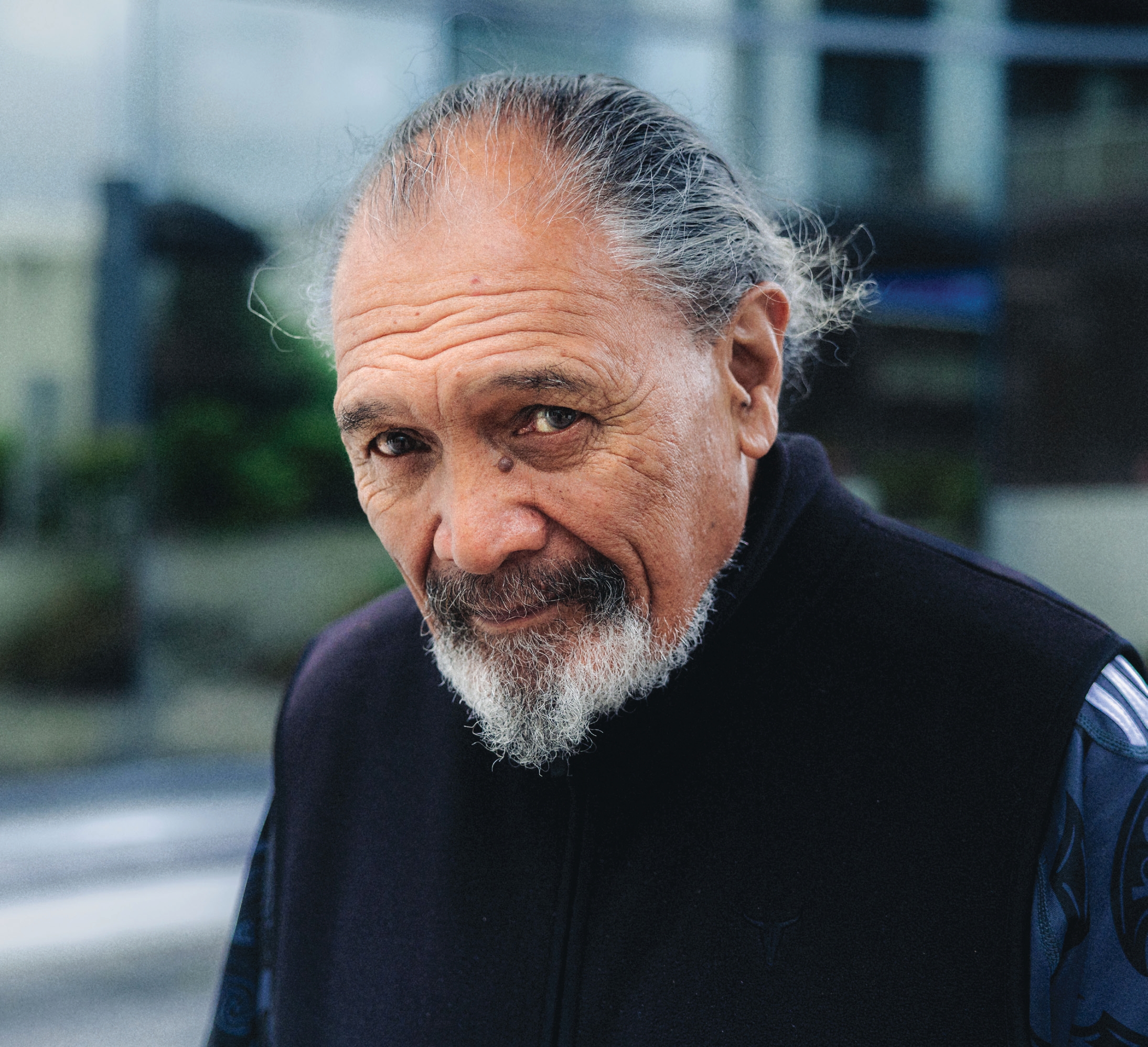
Can you start by telling us about your work history and how you first got involved in unionism?
I’ve been at New Zealand Post for the last 25 years. That’s where I really learned how union work operates day to day. I’m involved in health and safety, negotiations, and disciplinary matters. It was a very solid grounding for being a delegate. You could really get your teeth into it.
My union background actually goes right back to my teens. I became a delegate when I was 17, more or less because I turned up at the wrong place at the right time. From then on, I stayed involved.
Unionism runs in my family. My grandfather, my father, aunties, uncles, cousins – we all came from Ōnehunga, which was a strong working-class and Labour area. It wasn’t unusual to be union. It was just how our family lived. Now with my granddaughter in the union, that’s five generations.
What were some of the big changes you saw in the union over those years?
When Andrew Little came in as National Secretary of EPMU, he changed the way the union operated. We moved away from the old regional organising councils and into a more member-friendly model, with forums and proper industrial structures. That opened things up and members got more understanding of how the union worked.
Later, when our union came together with the Service and Food Workers, that was another big shift. In my area, some people were unhappy about joining together. They were very entrenched in the old way. They thought we would lose our identity. I understood where they were coming from, but I also felt that moving forward as one union was the right thing. We are still working through that today, but it has settled.
You’ve also spent a lot of time on the Rūnanga. Why is that important to you?
The Rūnanga gave us a place to understand how Te Tiriti fits in the union. When I first became involved, I found it very welcoming. It wasn’t about the Rūnanga being “the boss”. It was about helping guide us through something new.
There were Treaty changes happening in the union movement at the same time, and we needed to get our heads around how that partnership works. I saw a risk of some Māori voices getting a little sidelined in the wider organisation. That is why I wanted to be involved – to make sure we had a say.
I’ve taken on leadership roles, and I’ve stepped back from them. That’s because I wanted younger people to see that they shouldn’t be afraid to stand. If you believe in what you’re saying, and people can see that, they will support you. That is something I am very strong on.
You’ve helped bring in a new kaumātua/kaihautu (leader and guide). Can you tell us about him?
Our kaumātua is Hauāuru Rawiri. He has a lot of experience. He was one of the Treaty negotiators for our iwi, Ngāti Pāoa.
What stands out about him is the way he works. He is a kaihautu – someone who can get up there and explain “this is how you do it”. He is calm, truthful, and not argumentative. He can explain things in a Māori way and give advice based on experience. People go to him. I think he is the right person for that job.
What does a real Tiriti relationship look like inside the union?
It means understanding that we are partners. We both have mana. It cannot be one side telling the other what to do. We are walking together, not owning each other.
Sometimes that means explaining tikanga, even small things, so people can understand why. It also means having proper processes, but allowing flexibility.
We don’t have to agree on everything. We should be able to agree to disagree. The important thing is that we stay at the table, talk it through, and come to a consensus. That is what a partnership looks like.